
Eggs are one of the most popular foods in America. Cheap, versatile, and packed with protein — most people eat them without a second thought. But here’s the truth: the way you prepare and eat your eggs matters just as much as eating them at all. Some common habits are quietly working against your health, and most people have no idea.
Here are 7 egg-eating mistakes that could be slowly damaging your body.
1. Eating Eggs Fried in Low-Quality Oils
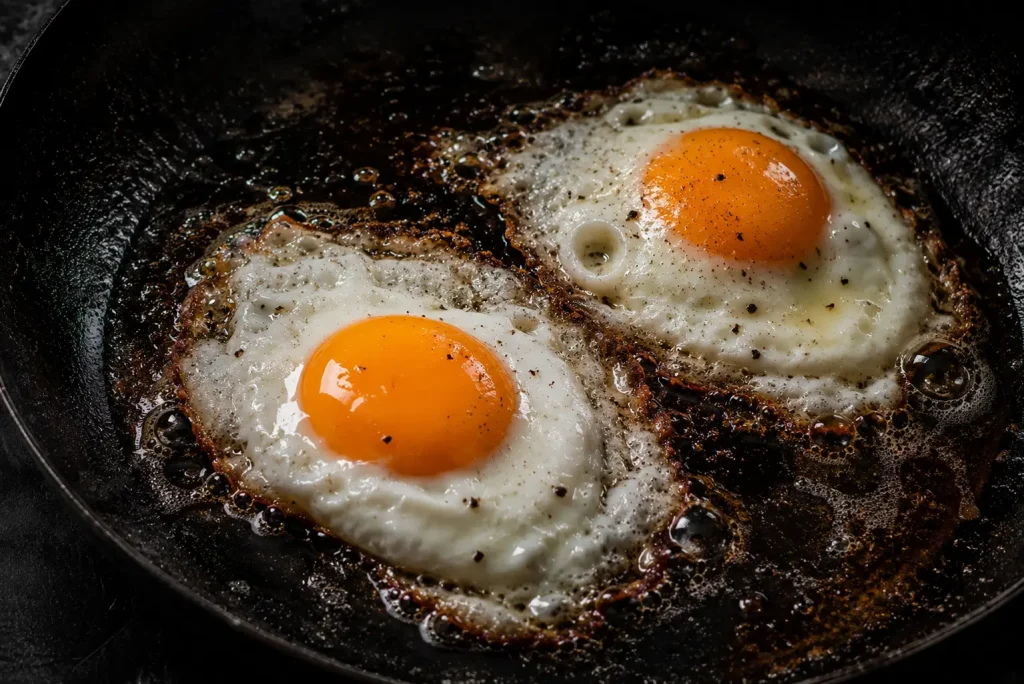
Frying your eggs in vegetable oil, canola oil, or margarine might seem harmless — but these oils are high in omega-6 fatty acids. When heated at high temperatures, they oxidize and create harmful compounds that trigger inflammation in the body. Over time, this can contribute to heart disease, joint pain, and even cognitive decline.
The fix: Use butter, ghee, or extra virgin olive oil at low to medium heat instead.
2. Always Eating Overcooked Eggs

The more you cook an egg, the more nutrients you destroy. Overcooking eggs at high heat breaks down the protein structure and significantly reduces the levels of vitamin B12, vitamin D, and antioxidants like lutein and zeaxanthin — nutrients your eyes and brain rely on.
The fix: Go for soft-boiled, poached, or lightly scrambled eggs to preserve the most nutritional value.
3. Throwing Away the Yolk and Only Eating Egg Whites

The egg yolk got a bad reputation for decades because of cholesterol fears. But the yolk is where most of the nutrition lives — including choline for brain health, vitamins A, D, E, K, and healthy fats. Eating egg whites alone means you’re getting mostly protein and almost nothing else.
The fix: Unless your doctor advised otherwise, eat the whole egg. The yolk is your friend.
4. Pairing Eggs With Processed Meats Every Morning

Bacon, sausage, and deli meats alongside your eggs might taste amazing — but processed meats are loaded with sodium, nitrates, and saturated fat. Eating them daily dramatically increases your risk of high blood pressure, cardiovascular disease, and certain cancers, no matter how healthy the eggs themselves are.
The fix: Pair your eggs with avocado, vegetables, or whole grain toast instead.
5. Eating Raw or Undercooked Eggs Too Often

Some people drink raw eggs for protein — but raw eggs contain avidin, a protein that blocks biotin (vitamin B7) absorption. Over time this causes biotin deficiency, leading to hair loss, skin rashes, and fatigue. Raw eggs also carry a real risk of Salmonella contamination.
The fix: Cook your eggs at least lightly. Even a soft-boiled egg eliminates most of the risk.
6. Salting Your Eggs Too Heavily

Eggs on their own are naturally low in sodium. But most people heavily salt their eggs during cooking — and then eat them alongside other salty foods. This pushes daily sodium intake well above the recommended 2,300mg limit, raising the risk of high blood pressure and kidney strain over time.
The fix: Season with herbs, black pepper, or turmeric instead of reaching for the salt shaker.
7. Eating Low-Quality Factory-Farmed Eggs Every Day
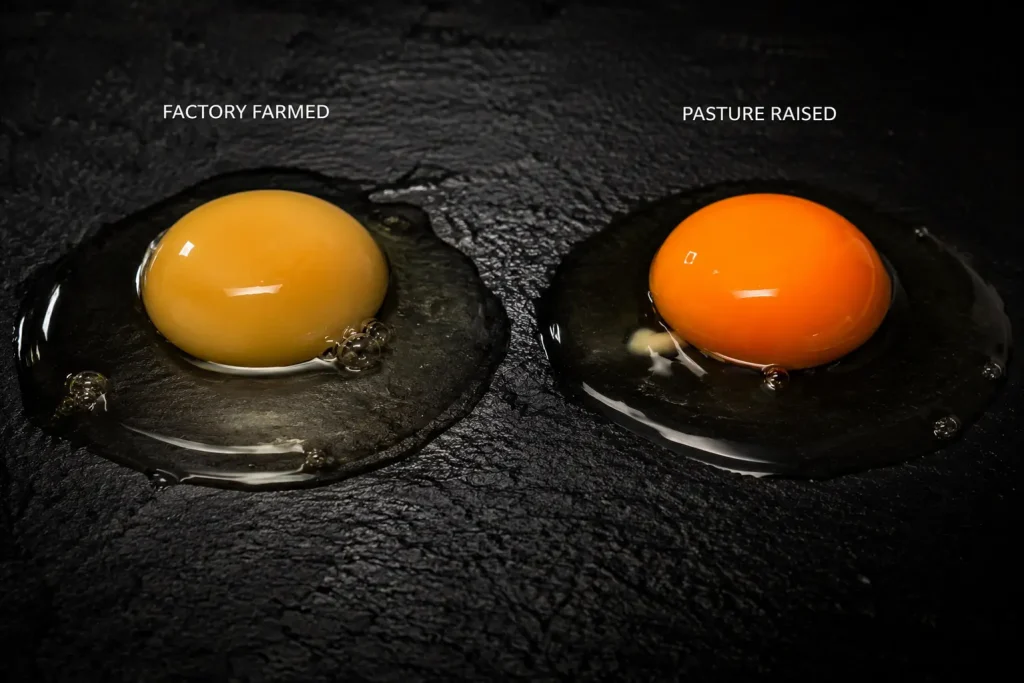
Not all eggs are created equal. Conventional factory-farmed eggs come from hens raised in poor conditions and fed low-quality feed. Studies show they contain fewer omega-3 fatty acids and lower levels of vitamins compared to pasture-raised eggs. Eating low-quality eggs daily means you’re getting far less nutrition than you think.
The fix: Choose pasture-raised or omega-3 enriched eggs when possible. The nutritional difference is real.
Eggs are genuinely one of nature's most nutritious foods — but small daily habits can turn a healthy food into a health liability. Cook them right, pair them wisely, and choose quality sources. Your body will thank you for it.