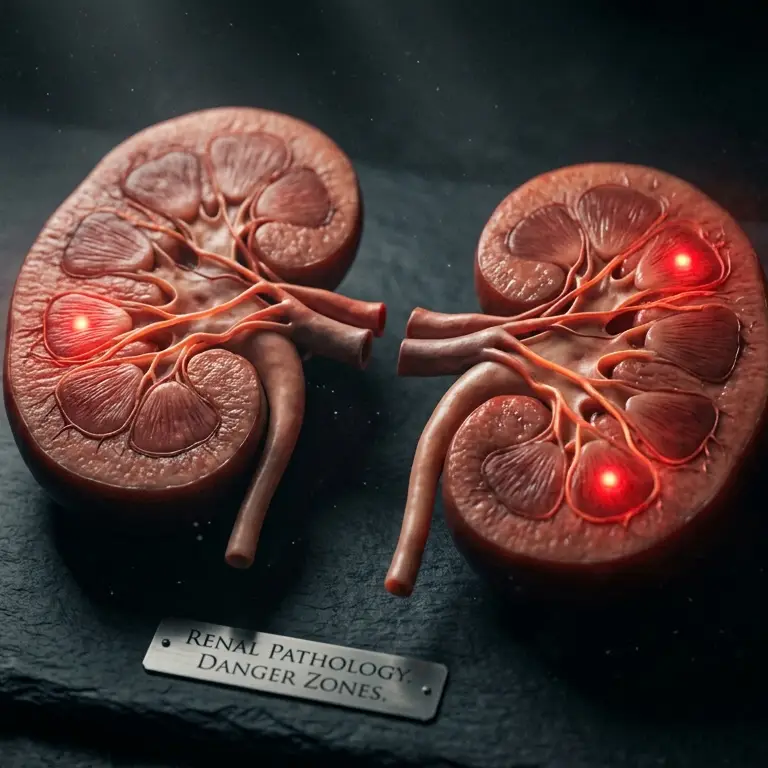
Your kidneys filter about 200 liters of blood every single day. They remove waste, regulate blood pressure, balance electrolytes, and produce hormones your body can’t live without. And they do all of this silently, without complaint — right up until the point where they can’t anymore.
That silence is the danger. Chronic kidney disease has no obvious symptoms in its early stages. By the time most people find out their kidneys are struggling, significant damage has already been done. And the foods driving that damage are often the ones Americans eat every day without a second thought. Here are 7 of them.
1. Table Salt and High-Sodium Processed Foods
Sodium is the number one dietary threat to kidney health. When you consume too much sodium, your kidneys must work harder to filter and excrete the excess, raising the pressure inside the tiny blood vessels that do the filtering — called the glomeruli. Over years, this elevated pressure causes microscopic scarring and damage that gradually reduces kidney function. The average American consumes over 3,400mg of sodium per day — nearly 50% above the recommended limit — mostly from processed and packaged foods rather than the salt shaker itself.

Bread, deli meats, canned soups, pizza, and fast food are the top contributors. A single fast food meal can easily contain 2,000mg of sodium in one sitting.
The fix: Aim for under 2,300mg of sodium daily. Cook from scratch when possible and read labels on anything in a package. The salt in processed food is invisible until you look for it.
2. Red Meat Eaten Daily
Red meat is high in animal protein, and when protein is metabolized, it produces waste products — primarily urea — that the kidneys must filter out of the blood. Eating large amounts of red meat daily puts a sustained, high filtration demand on the kidneys that, over years, accelerates their natural aging process. A Harvard study that followed over 23,000 people found that replacing one daily serving of red meat with plant-based protein was associated with a 62% reduction in the risk of kidney disease progression.
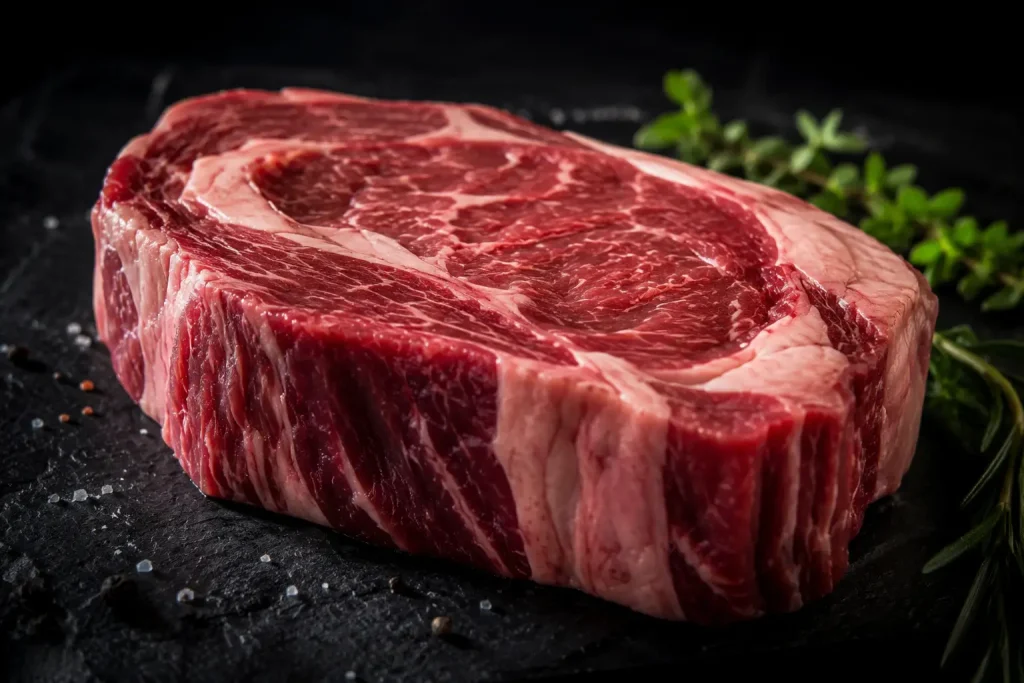
Processed red meats like bacon, hot dogs, and sausage carry a double burden — the protein load combined with extremely high sodium content makes them particularly damaging to kidney health over time.
The fix: Limit red meat to two to three times per week maximum and replace it with fish, legumes, eggs, or poultry on other days.
3. Artificial Sweeteners
Diet sodas and artificially sweetened products were once considered safe for the kidneys. The research has since told a different story. A long-running study from Brigham and Women’s Hospital that tracked over 3,000 women found that drinking two or more diet sodas per day was associated with a 30% greater decline in kidney function over 11 years compared to women who didn’t drink diet soda. The decline was not seen with sugar-sweetened drinks, suggesting something specific to artificial sweeteners — possibly aspartame or the combination of compounds — was driving the damage.
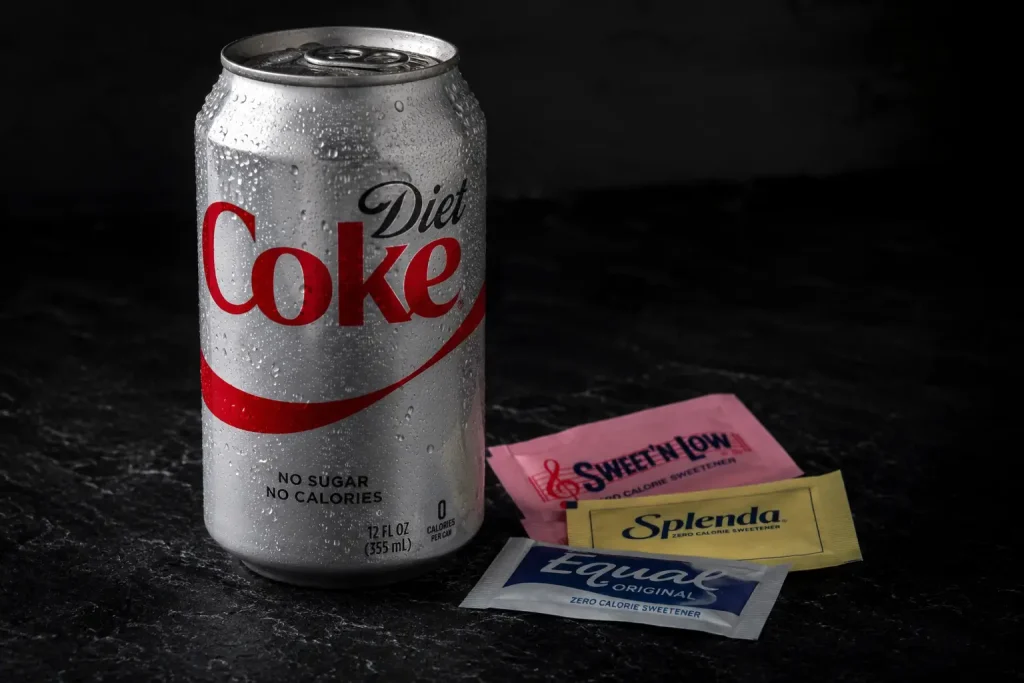
The fix: Sparkling water with a squeeze of citrus is the cleanest swap. If you need sweetness, small amounts of stevia appear safer than aspartame or sucralose based on current evidence.
4. Painkillers Taken Regularly
Over-the-counter painkillers — particularly NSAIDs like ibuprofen, naproxen, and aspirin — are one of the most common and least recognized causes of kidney damage in the United States. NSAIDs work by reducing blood flow to the kidneys, which temporarily relieves pain and inflammation but puts direct stress on kidney tissue with every dose. Occasional use is generally fine for healthy kidneys. But taking them regularly — several times a week for months — causes a condition called analgesic nephropathy, where kidney tissue progressively scarres and loses function.

The damage is particularly severe in people who are already dehydrated when they take these medications, which dramatically increases the concentration of harmful compounds reaching kidney cells.
The fix: Never take NSAIDs daily or near-daily without medical supervision. Always drink plenty of water when taking any painkiller, and discuss chronic pain management alternatives with your doctor.
5. Foods High in Phosphorus Additives
Phosphorus is a natural mineral found in many foods, and in small amounts it’s essential for bone health. But processed foods are loaded with inorganic phosphorus additives — used as preservatives and flavor enhancers — that are absorbed into the blood at a rate of nearly 100%, compared to just 40 to 60% for naturally occurring phosphorus. Healthy kidneys can handle this load. Damaged or declining kidneys cannot, and high phosphate levels in the blood accelerate kidney deterioration rapidly.

Fast food, cola drinks, packaged baked goods, processed cheese, and most instant foods are the worst offenders. Look for phosphate, phosphoric acid, or any ingredient ending in phosphate on the label.
The fix: Avoid cola drinks entirely — they contain phosphoric acid specifically linked to kidney stones and declining kidney function. Cook whole foods rather than relying on packaged products.
6. Alcohol Consumed in Regular Large Amounts
Alcohol is a diuretic — it forces the kidneys to produce more urine, leading to dehydration that concentrates waste products in the blood and forces the kidneys to work harder. Beyond dehydration, chronic heavy alcohol use disrupts the hormonal systems that regulate kidney function, raises blood pressure, and causes direct cellular damage to kidney tissue over time. People who drink heavily are twice as likely to develop chronic kidney disease as non-drinkers, according to research published in the Clinical Journal of the American Society of Nephrology.

Even regular moderate drinking — a glass or two of wine nightly — has been associated with measurably reduced kidney function in long-term studies when combined with other risk factors like high blood pressure or diabetes.
The fix: The safest approach for kidney health is to limit alcohol to special occasions rather than daily consumption, and to always drink a full glass of water alongside any alcoholic drink.
7. Energy Drinks Consumed Frequently
Energy drinks are a perfect storm of kidney-damaging ingredients. They combine high amounts of caffeine — which raises blood pressure and reduces kidney blood flow — with excessive sugar or artificial sweeteners, B vitamins in megadoses that the kidneys must filter out, and often undisclosed herbal compounds whose effects on kidney tissue are not well studied. Multiple case reports in nephrology journals have documented acute kidney injury in young, healthy adults following heavy energy drink consumption — people with no prior kidney problems whose kidneys shut down after consuming several cans in a short period.

The chronic, lower-level damage from drinking one or two energy drinks daily is harder to measure but represents a sustained burden on kidney filtration that accumulates over years.
The fix: Coffee in moderate amounts is a far safer source of caffeine. If you need an energy boost, prioritize sleep, hydration, and B vitamins from food sources rather than concentrated synthetic supplements.
Your kidneys are incredibly resilient — they can lose up to 40% of their function before any symptoms appear. That resilience is both their greatest strength and their greatest vulnerability, because it means damage accumulates silently for years before you have any idea it's happening. The foods on this list are not exotic or unusual. They're everyday items that millions of Americans consume without a second thought. Start with one swap this week. Your kidneys have been quietly protecting you your entire life. They deserve the same in return.